
Top Jobs in Construction: Exploring High-Demand Opportunities in 2025
The construction industry offers a variety of career opportunities, some of which are in high demand due to the constant need for infrastructure development, urban expansion, and renovation. From project managers to skilled laborers, the construction sector is brimming with lucrative and rewarding job options. This article highlights the top jobs in construction for 2025, focusing on positions that offer excellent pay and growth potential.
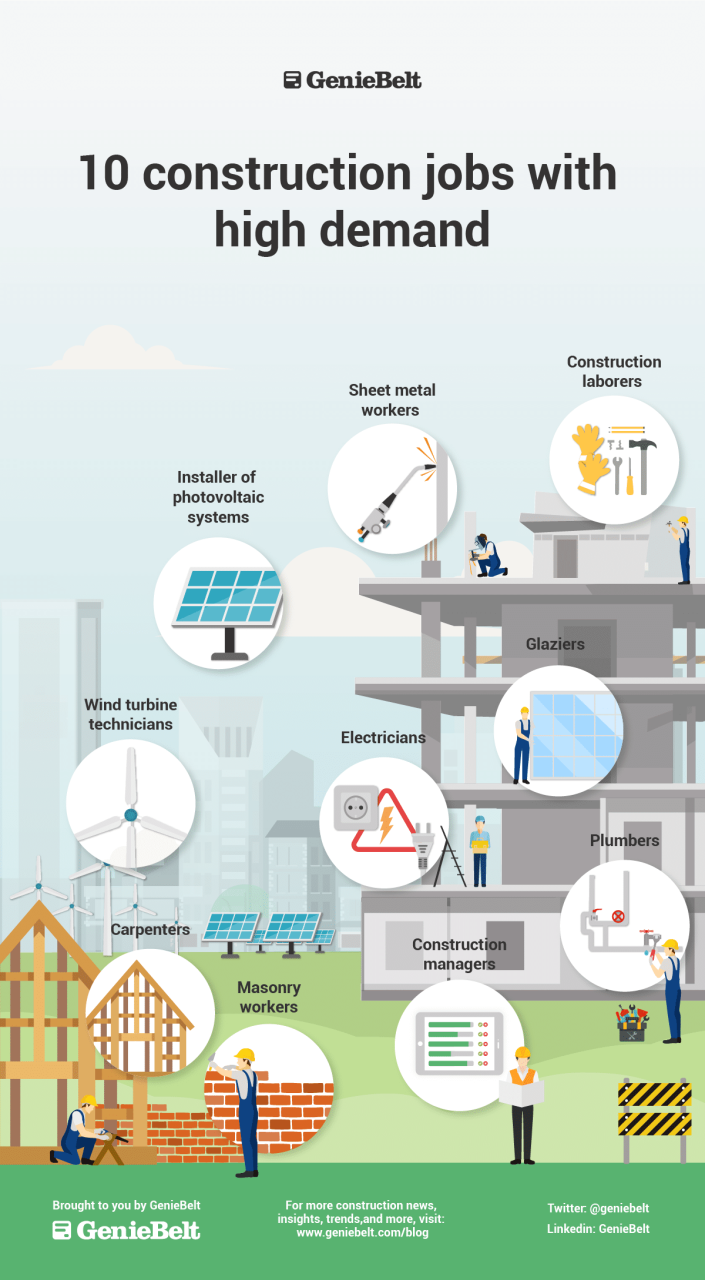
1. Construction Manager
A Construction Manager is one of the highest-paying roles in the industry. These professionals oversee the entire construction process, ensuring that projects are completed on time, within budget, and up to the required quality standards. They manage teams, coordinate resources, and handle client relations.
The demand for construction managers has been steadily increasing, particularly in large-scale infrastructure and residential projects. With the complexity of modern construction, the need for experienced construction managers is higher than ever.
Key Responsibilities:
-
Overseeing project timelines and budgets
-
Coordinating with contractors, architects, and engineers
-
Managing safety and compliance regulations
For more information on project management tools that can help streamline your workflow, visit DUYTHIN.DIGITAL.
2. Civil Engineer
A Civil Engineer plays a critical role in designing, building, and maintaining infrastructure such as roads, bridges, and water systems. This job requires a high level of technical expertise and knowledge of structural engineering, environmental impact, and construction methods.
As cities continue to expand and require better transportation networks and utilities, civil engineering has become an essential field within the construction industry. Civil engineers are expected to design sustainable and cost-effective infrastructure solutions.
Key Responsibilities:
-
Designing infrastructure systems (roads, bridges, etc.)
-
Conducting site inspections and surveys
-
Ensuring compliance with safety and environmental standards
3. Electrical Engineer
In any construction project, Electrical Engineers are indispensable for the design and installation of electrical systems, from lighting to power distribution. With the rise of smart buildings and the increasing complexity of electrical needs, skilled electrical engineers are in high demand.
As energy efficiency becomes more important, electrical engineers are also tasked with integrating renewable energy sources and sustainable practices into their designs. Their work ensures that buildings not only function properly but also meet the latest energy-saving standards.
Key Responsibilities:
-
Designing electrical systems for buildings
-
Installing and maintaining electrical systems
-
Ensuring compliance with safety regulations and energy standards
:max_bytes(150000):strip_icc()/top-best-paid-construction-jobs-4054066-final-e995b4aaddf94fb2b71cc9604a49d1a4.png)
4. Plumber
The demand for Plumbers remains strong due to the essential nature of their work. From installing water pipes in new buildings to repairing sewage systems, plumbers play a vital role in ensuring that buildings remain functional and hygienic.
Plumbing is a skilled trade that requires hands-on training, certification, and experience. Plumbers can work in residential, commercial, and industrial sectors, making this a versatile and steady career option.
Key Responsibilities:
-
Installing and repairing piping systems
-
Installing water heaters and boilers
-
Ensuring compliance with building codes and regulations
5. Heavy Equipment Operator
A Heavy Equipment Operator operates machinery such as cranes, bulldozers, and backhoes to assist with large-scale construction projects. These operators are essential for tasks like site preparation, excavation, and material transportation.
As construction projects become more intricate, the need for skilled heavy equipment operators continues to grow. These operators must be well-trained to handle complex machinery safely and efficiently.
Key Responsibilities:
-
Operating cranes, excavators, and other heavy machinery
-
Excavating and grading land
-
Transporting materials across the construction site
6. Architect
An Architect is responsible for designing buildings and structures, working closely with clients to bring their vision to life while considering factors like functionality, safety, and aesthetics. Architects often collaborate with engineers and construction managers to ensure that designs can be successfully executed.
With the increasing demand for sustainable and energy-efficient buildings, architects are expected to incorporate green building practices into their designs. The ability to adapt to new technologies and design trends is crucial in this field.
Key Responsibilities:
-
Designing blueprints for buildings
-
Collaborating with clients and other professionals
-
Ensuring compliance with building codes and environmental regulations
7. Construction Laborer
While construction laborers may not need formal education or specialized skills, they are the backbone of the industry. These workers assist with a variety of tasks on construction sites, from lifting materials to digging trenches.
As construction projects continue to increase in scale, the demand for laborers who can perform physical tasks safely and efficiently remains high. Many workers in this role have opportunities to advance into specialized trades with additional training.
Key Responsibilities:
-
Assisting with the physical labor of construction
-
Transporting materials to and from construction sites
-
Operating power tools and other equipment under supervision
8. Project Estimator
A Project Estimator analyzes construction projects and provides cost estimates for labor, materials, and time. Estimators work closely with construction managers to ensure that projects stay within budget and that resources are allocated effectively.
The accuracy of estimators is crucial to the success of a project, and as the construction industry grows, so does the need for skilled estimators who can predict costs with precision.
Key Responsibilities:
-
Analyzing project plans to estimate costs
-
Collaborating with contractors and vendors
-
Providing detailed reports on projected expenses
9. Safety Manager
A Safety Manager ensures that all construction sites adhere to health and safety regulations. This role has become increasingly important as construction sites become more complex and the risks associated with heavy machinery and hazardous materials increase.
The primary goal of a safety manager is to prevent accidents and injuries, which makes their role indispensable in maintaining a productive and safe work environment.
Key Responsibilities:
-
Overseeing health and safety protocols on construction sites
-
Conducting safety training sessions for workers
-
Monitoring compliance with safety standards and regulations
10. Building Inspector
A Building Inspector ensures that construction projects comply with local building codes and safety regulations. Inspectors conduct site visits at various stages of construction to assess whether the work meets legal and safety standards.
As construction regulations become more stringent, building inspectors are in high demand to ensure that buildings are safe and up to code. This job requires a keen eye for detail and thorough knowledge of building regulations.
Key Responsibilities:
-
Conducting site inspections at different stages of construction
-
Ensuring compliance with building codes and safety regulations
-
Preparing detailed inspection reports
Conclusion
The construction industry offers a wide range of career opportunities for individuals with varying levels of education and expertise. Whether you are interested in project management, engineering, skilled trades, or safety, there is a high-demand job waiting for you in this ever-growing field.
For more details on automation tools that can enhance your construction business or help you manage projects more efficiently, visit DUYTHIN.DIGITAL.
FAQs
What qualifications do I need to become a construction manager?
To become a construction manager, you typically need a bachelor’s degree in construction management, civil engineering, or a related field. Some positions may also require certifications such as PMP (Project Management Professional).
Is plumbing a good career choice in 2025?
Yes, plumbing is a stable and lucrative career option. With the ongoing need for residential and commercial building projects, skilled plumbers continue to be in high demand.
How can I get started in the construction industry?
If you’re looking to enter the construction industry, consider gaining hands-on experience as a laborer or apprentice in a specific trade. Many trades offer apprenticeship programs that allow you to learn while earning.
By exploring these top construction jobs, you can find a career that not only offers financial stability but also provides opportunities for growth and advancement in a thriving industry.