
How to Negotiate Salary: A Step-by-Step Guide to Getting the Pay You Deserve
Negotiating salary can be a daunting process, but it’s essential for ensuring you’re compensated fairly for your skills and experience. Whether you’re starting a new job, seeking a raise, or transitioning into a higher role, knowing how to negotiate salary is a crucial skill. In this guide, we’ll explore effective strategies and tips on how to negotiate salary, helping you secure the best possible deal.
Negotiation is not just about asking for more money – it’s about understanding your value, being prepared, and knowing when and how to make your case. With the right approach, you can successfully navigate salary discussions and set yourself up for long-term success.
1. Know Your Worth Before You Negotiate
The first step in salary negotiation is understanding your own worth. This means researching industry standards, considering your experience, and evaluating your skills. Websites like PayScale and Glassdoor can provide valuable insights into what professionals in your field are earning.
Key Factors to Consider:
-
Industry norms: What’s the typical salary range for your role?
-
Experience and skills: How do your qualifications compare to others in similar positions?
-
Location: Salaries can vary significantly by region, so factor this into your negotiations.
Why it’s important:
Knowing your worth ensures you’re not undervaluing yourself or setting unrealistic expectations. It also gives you confidence when discussing salary with a potential employer.

2. Timing Is Everything
When to bring up salary negotiations is just as important as how you do it. Ideally, you should wait until you’ve received a job offer or are deep into discussions about a role. If you’re already employed and seeking a raise, choose a moment when you’ve recently achieved significant accomplishments or the company is doing well financially.
When is the best time to negotiate?
-
After receiving a job offer but before signing the contract.
-
During performance reviews or after successfully completing a major project.
-
When you are offered additional responsibilities or promoted.
Why it’s important:
Timing gives you leverage. If you wait for the right moment, you’re more likely to be taken seriously, and you’ll increase the chances of a favorable outcome.
3. Have a Clear Idea of What You Want
When entering a salary negotiation, it’s crucial to have a clear and realistic figure in mind. Consider factors like your current salary, your skills, and the salary range you researched in step one. You should have a target number, but also be prepared for some flexibility.
Tips for determining your target salary:
-
Consider the whole package: Don’t just focus on base salary. Bonuses, benefits, stock options, and vacation days also play a role.
-
Leave room for negotiation: Start slightly higher than your minimum acceptable salary to give you room to negotiate.
Why it’s important:
Knowing what you want helps you stay focused and gives you a benchmark for assessing the offers you receive.
4. Practice Your Pitch
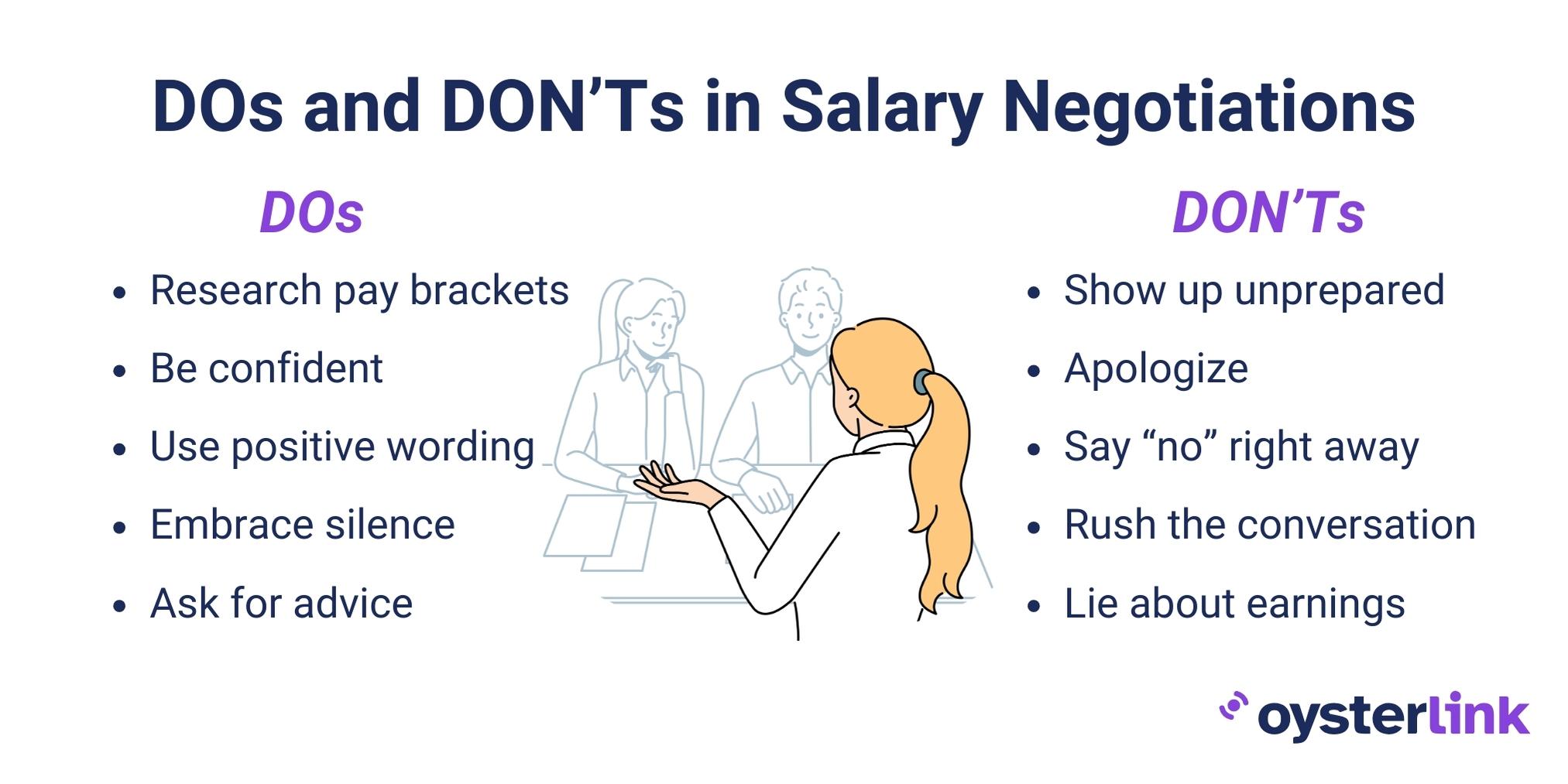
Salary negotiations can be stressful, and practicing your pitch beforehand will make you more confident during the conversation. Rehearse how you’ll present your case, emphasizing the value you bring to the company. A strong pitch will highlight your unique skills, your accomplishments, and how you plan to contribute to the organization.
How to structure your pitch:
-
Start by expressing your excitement about the role or project.
-
Highlight your qualifications and how they align with the company’s needs.
-
Present your salary expectations based on your research.
Why it’s important:
A well-prepared pitch allows you to confidently express your value and the reasoning behind your salary request.
5. Be Ready to Justify Your Request
During negotiations, be prepared to explain why you deserve the salary you’re asking for. Your justification should be based on concrete examples, such as industry benchmarks, your experience, or unique skills. Showing the value you bring to the company will make your case more compelling.
How to justify your salary request:
-
Experience and skills: Explain how your experience and skills will help the company achieve its goals.
-
Past successes: Provide examples of projects you’ve successfully completed or value you’ve added to previous employers.
-
Market research: Cite your research on average salaries in the industry.
Why it’s important:
Justifying your request with clear evidence and logic helps build credibility and makes it harder for the employer to dismiss your salary expectations.
6. Be Prepared for Counteroffers
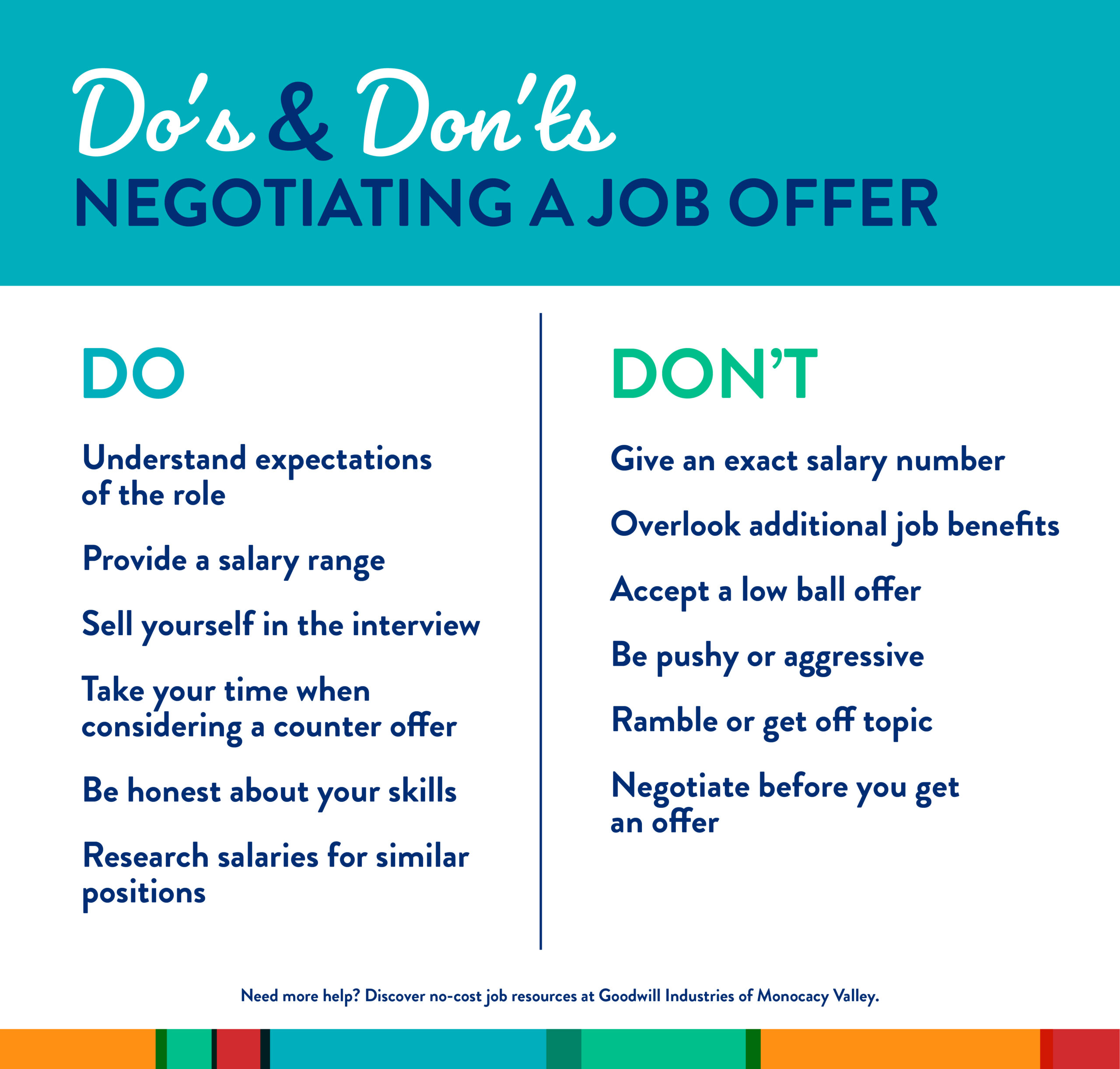
In any salary negotiation, it’s common for the employer to present a counteroffer. They may come in below your expectations, or they may propose a different combination of salary and benefits. Be prepared for this scenario and have a plan for how to respond.
How to respond to a counteroffer:
-
Don’t settle immediately: Ask for time to consider the offer.
-
Negotiate other benefits: If salary flexibility is limited, ask for additional perks like extra vacation days, flexible working hours, or professional development opportunities.
-
Be professional: Always remain polite and professional, even if the counteroffer doesn’t meet your expectations.
Why it’s important:
Understanding how to handle counteroffers ensures you don’t make hasty decisions and allows you to continue negotiating effectively.
7. Understand the Employer’s Perspective
While you should focus on your own needs and expectations, it’s important to understand the employer’s perspective during salary negotiations. Companies often have budget constraints or salary bands that they must adhere to. By being empathetic and understanding, you can find common ground and potentially secure a win-win agreement.
How to align with the employer:
-
Understand the company’s budget: Be mindful of the company’s financial situation and the industry standards.
-
Negotiate in good faith: Approach negotiations with a collaborative mindset, rather than an adversarial one.
Why it’s important:
Empathy creates a more cooperative atmosphere, which increases the likelihood of a successful outcome for both parties.
8. Know When to Walk Away
Sometimes, the salary offered may not meet your needs, and it may be necessary to walk away from the negotiation table. While this can be a tough decision, knowing when to decline an offer is an important aspect of salary negotiations. If the offer doesn’t align with your career goals, compensation expectations, or values, it may be best to continue searching for a better opportunity.
When should you walk away?
-
When the salary is significantly lower than your expectations.
-
When the company cannot meet your non-salary requirements (e.g., work-life balance, benefits).
-
When you feel undervalued or disrespected during the negotiation process.
Why it’s important:
Knowing when to walk away prevents you from settling for a role that doesn’t align with your needs or long-term goals.
Frequently Asked Questions (FAQs)
1. How do I know if I’m being offered a fair salary?
You can determine if your salary offer is fair by researching industry standards, considering your experience, and using websites like PayScale and Glassdoor. Comparing multiple offers will also help you gauge if you’re being compensated fairly.
2. Should I negotiate salary if it’s my first job?
Yes, even if it’s your first job, you can negotiate your salary. Research the industry standards for entry-level positions in your field and use that information to discuss fair compensation with your employer.
3. What if my employer can’t meet my salary demands?
If your employer cannot meet your salary expectations, try negotiating other benefits such as more vacation time, flexible working hours, or professional development opportunities. Be open to finding a middle ground.
4. How can I negotiate a higher salary without sounding demanding?
To negotiate effectively, remain polite, confident, and professional. Frame your salary request as a reflection of your skills, experience, and the value you will bring to the company. Be respectful of the employer’s perspective and open to compromise.
Conclusion
Salary negotiation is an essential skill that can significantly impact your career trajectory. By knowing your worth, timing your request, practicing your pitch, and being prepared for counteroffers, you can navigate the process with confidence. Remember, salary negotiations are not just about money—they’re an opportunity to demonstrate your value to potential employers while ensuring your compensation aligns with your experience and career goals. With the right approach, you can secure a salary that reflects your worth.