
How to Create a Resume: A Step-by-Step Guide for 2025
Creating a well-crafted resume is essential for landing your dream job. A resume serves as your first impression on potential employers and showcases your skills, experience, and achievements. In this article, we’ll provide a comprehensive guide on how to create a resume that stands out in 2025.
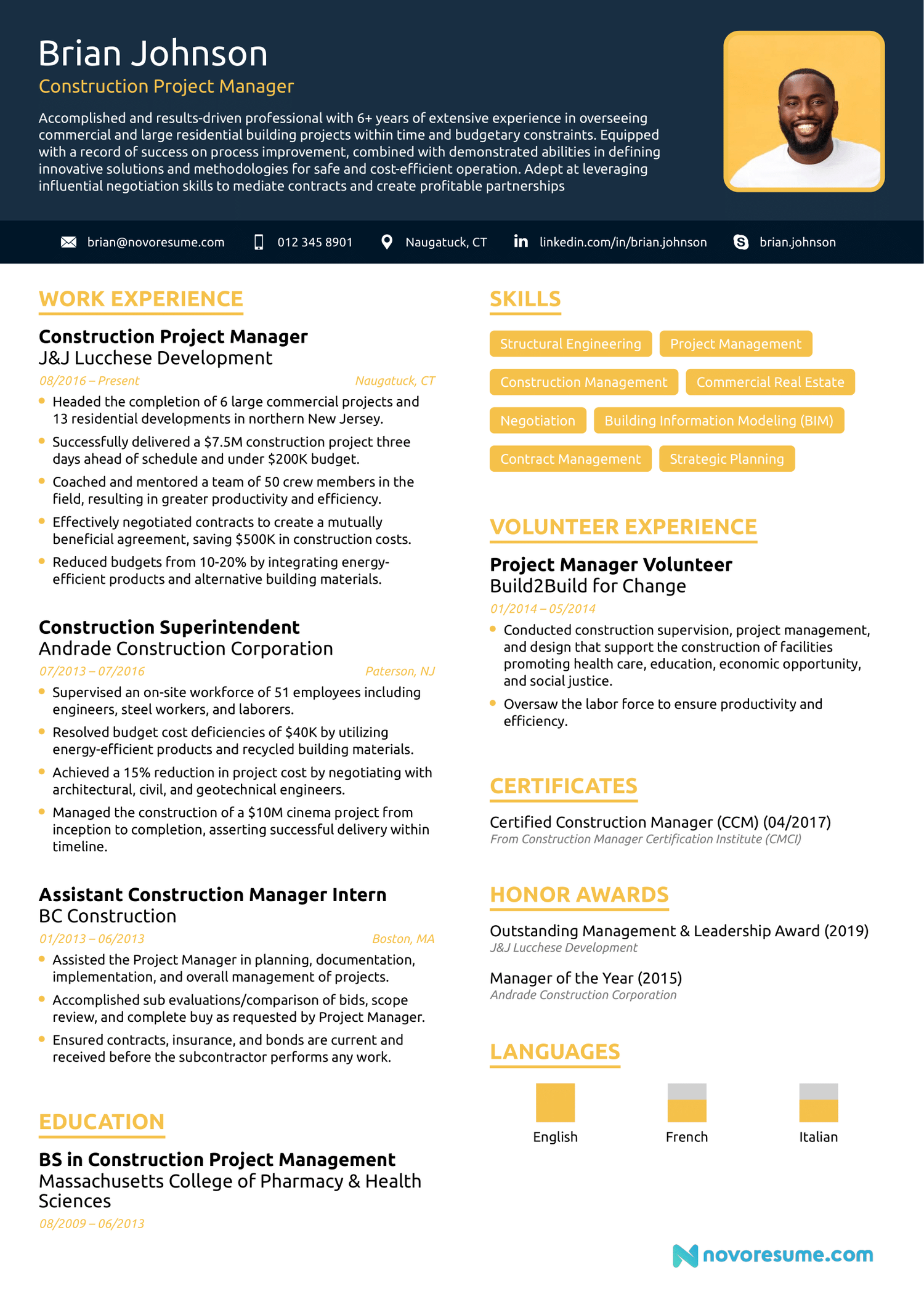
1. Understand the Importance of a Resume
A resume is more than just a document. It’s a personal marketing tool that highlights your qualifications, making it easier for employers to assess your fit for the role. A well-organized and tailored resume increases your chances of being shortlisted for interviews.
A resume allows you to present your professional history in a concise manner, focusing on your most relevant achievements. Whether you’re a fresh graduate or an experienced professional, a strong resume is key to opening doors for new opportunities.
Key Components of a Resume:
-
Contact Information: Name, phone number, email address, LinkedIn profile (optional).
-
Professional Summary: A brief statement summarizing your career and goals.
-
Work Experience: Your previous positions, responsibilities, and accomplishments.
-
Skills: Both hard and soft skills relevant to the job.
-
Education: Degrees, certifications, and relevant coursework.
-
Additional Sections: Certifications, awards, volunteer experience, etc.
2. Choose the Right Resume Format
There are several resume formats, and choosing the right one can significantly impact the effectiveness of your resume. The most common formats are:
-
Chronological Resume: This format focuses on your work history, listing jobs in reverse chronological order. It’s ideal for individuals with a strong career trajectory and a stable work history.
-
Functional Resume: This format emphasizes skills and qualifications rather than job history. It’s beneficial for those with gaps in employment or career changers.
-
Combination Resume: This format combines both chronological and functional elements. It highlights your skills and qualifications first, followed by your work history. This format works well for individuals with extensive experience and diverse skills.
3. Write a Compelling Professional Summary
The professional summary is a brief statement at the top of your resume, offering a snapshot of your qualifications, skills, and career objectives. This section is essential because it’s the first thing employers will see. A strong summary will quickly grab their attention and encourage them to read on.
When crafting your summary, focus on your unique selling points. What makes you stand out in your field? Tailor this section to match the specific job you’re applying for. Be concise and clear—keep it within 3-5 sentences.
Example:
“Dynamic marketing professional with 5+ years of experience in content creation, SEO, and digital strategy. Proven track record of increasing website traffic by 30% and improving conversion rates through strategic campaigns. Passionate about using data-driven insights to drive marketing success.”
4. Highlight Your Work Experience
Your work experience is the core of your resume. This section should outline your professional history, focusing on your most recent and relevant positions. Be sure to include the following details for each role:
-
Job title
-
Company name and location
-
Dates of employment
-
Key responsibilities and achievements
Use action verbs such as “led,” “developed,” “managed,” and “increased” to describe your accomplishments. Focus on quantifiable achievements to provide concrete evidence of your impact.
Example:
Marketing Manager
XYZ Company, New York, NY | January 2020 – Present
-
Managed a team of 5 marketing professionals, leading the creation and execution of digital campaigns.
-
Increased website traffic by 25% through targeted SEO strategies.
-
Reduced marketing expenses by 15% while maintaining campaign effectiveness.
5. Emphasize Your Skills
A section dedicated to your skills is crucial in showcasing your qualifications. Employers often use applicant tracking systems (ATS) to filter resumes based on specific keywords related to job requirements. By including relevant skills, you can improve your chances of passing through ATS filters.
Focus on both hard skills (technical abilities such as software proficiency or project management tools) and soft skills (interpersonal traits like communication and problem-solving). Be specific and mention skills that align with the job description.
Example Skills:
-
Digital Marketing (SEO, SEM, Email Campaigns)
-
Project Management (Asana, Trello, Microsoft Project)
-
Data Analysis (Google Analytics, Excel)
-
Communication and Team Leadership
6. Include Your Education and Certifications
Even if you have extensive work experience, your education is still an important section, especially for those early in their careers. List your degrees in reverse chronological order, starting with the most recent. Be sure to include any relevant certifications as well.
Example:
Bachelor of Arts in Marketing
University of New York, 2018
Certifications:
-
Google Analytics Certified
-
PMP (Project Management Professional)
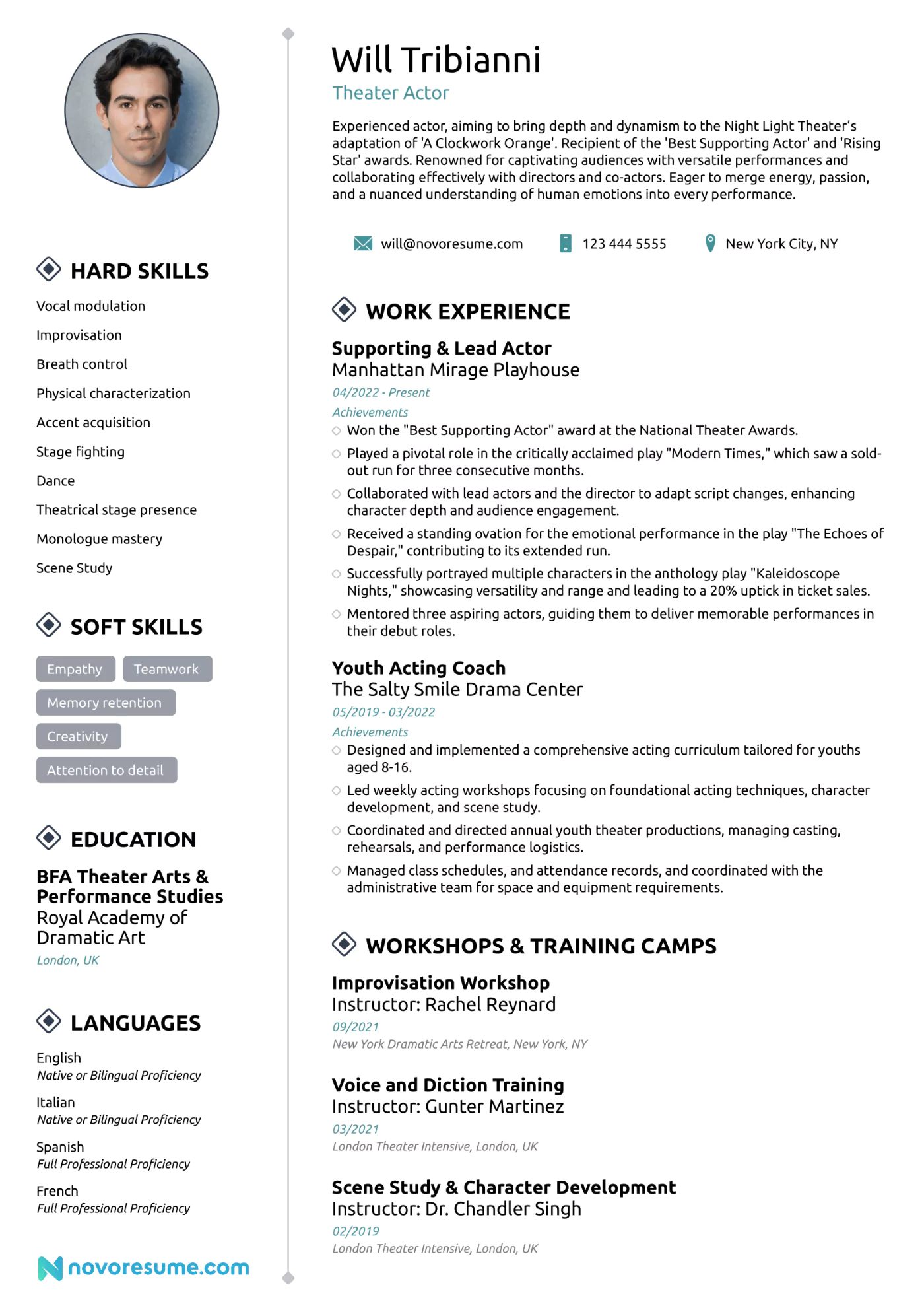
7. Add Additional Sections (Optional)
Depending on your field and experience, you may want to add extra sections to your resume. These can include:
-
Awards and Honors: Any accolades or recognitions you’ve received.
-
Volunteer Experience: Community involvement that shows leadership or relevant skills.
-
Languages: Proficiency in multiple languages can be a valuable asset.
-
Publications: Articles, blogs, or research papers you’ve written or contributed to.
These sections help you stand out and provide a more complete picture of your qualifications.
8. Tailor Your Resume for Each Job Application
One of the most important tips for creating a resume is customizing it for each job application. While it might be tempting to send the same resume to every employer, tailoring your resume to fit the specific job requirements will greatly increase your chances of getting noticed.
How to Tailor Your Resume:
-
Study the job description carefully.
-
Highlight the most relevant skills and experiences.
-
Use keywords from the job posting to match your resume with the employer’s needs.
-
Adjust your professional summary to reflect the specific role.
By aligning your resume with the job you’re applying for, you’ll show the employer that you’re genuinely interested and that your qualifications match their needs.
9. Proofread and Edit Your Resume
Before submitting your resume, it’s crucial to proofread it carefully. Typos and grammatical errors can create a negative impression. Take the time to review your resume, and if possible, ask a friend or mentor to check it as well.
Use tools like Grammarly or Hemingway to help spot mistakes and improve readability. A well-polished resume reflects your attention to detail and professionalism.
Conclusion
Creating a resume that effectively showcases your skills and experience is essential for landing your next job. By following the steps outlined above, you can craft a resume that highlights your unique qualifications and increases your chances of getting noticed by employers. Tailor your resume for each job application, and always proofread to ensure it’s error-free.
For more helpful tools and tips on job applications, visit DUYTHIN.DIGITAL.
FAQs
How long should my resume be?
Your resume should be one page if you have less than 10 years of experience. If you have more extensive experience, you can extend it to two pages, but make sure the content is relevant and concise.
Should I include a photo on my resume?
In most cases, it’s not necessary to include a photo on your resume. However, in some countries and industries (like modeling or acting), a photo may be expected.
How can I make my resume stand out?
To make your resume stand out, focus on achievements rather than just listing job duties. Use quantifiable results to demonstrate your impact, and tailor your resume to the specific job you’re applying for.
By following these guidelines, you’ll be well on your way to creating a resume that stands out and helps you secure your next job opportunity.