
Career Planning Guide: How to Shape Your Future Professionally
Career planning is a critical aspect of your professional journey, ensuring that you move forward with a clear and structured approach. Whether you’re just starting your career or are looking to pivot into a new industry, a solid career plan can provide the foundation you need for success. This guide will walk you through the essential steps of career planning, offering strategies, tools, and advice to help you achieve your professional goals.
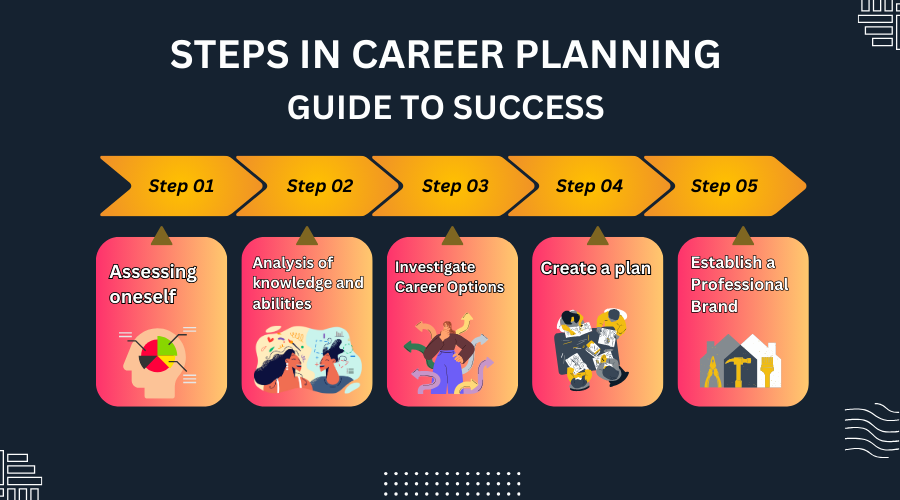
1. Understanding the Importance of Career Planning
Career planning isn’t just about picking a job; it’s about understanding your goals, strengths, and what you want to achieve in life. With a clear plan, you can take control of your career trajectory and make more informed decisions.
Why Is Career Planning Essential?
-
Guides your decisions: Career planning helps you set clear, measurable goals and decide which steps you need to take to reach them.
-
Increases job satisfaction: A well-thought-out plan leads to a more fulfilling and sustainable career path.
-
Boosts confidence: Having a plan reduces uncertainty and prepares you for the challenges ahead.
For more tips on career automation and tools to streamline your processes, visit our Automation Tools.
2. Assessing Your Skills, Interests, and Values
Before you dive into a career plan, it’s essential to assess your skills, interests, and values. This self-reflection will help you understand what kind of work suits you best, leading to better decisions and increased job satisfaction.
Skills Assessment
Start by identifying your strengths. Are you good with numbers? Do you excel at communication? Understanding your skills will help you determine which roles align with your capabilities. Tools like skill assessments or personality tests can help guide this process.
Interests and Values
Think about what excites you. Do you prefer creative work, or are you drawn to technical tasks? Your values also matter—whether that’s flexibility, salary, work-life balance, or helping others. Finding a career that aligns with both your skills and values leads to long-term happiness.
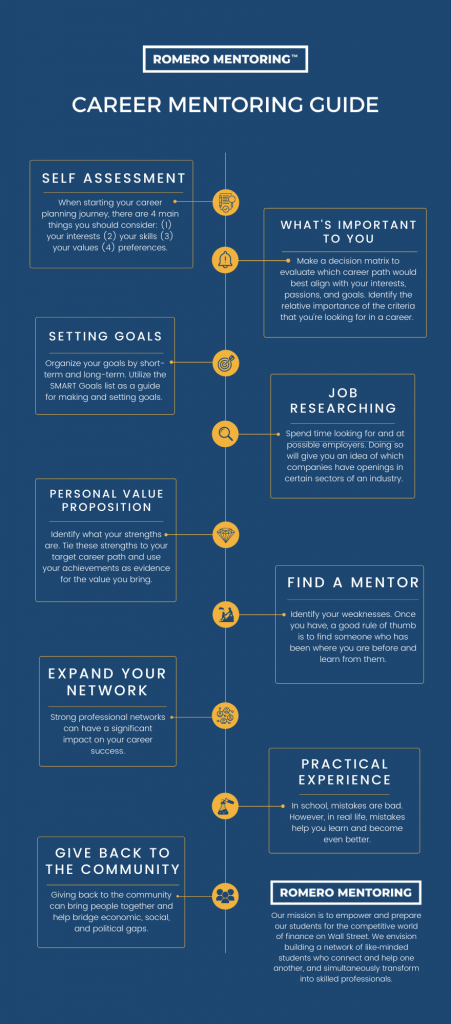
3. Setting Clear Career Goals
Once you’ve evaluated your skills and interests, it’s time to set clear career goals. These goals will serve as the roadmap to your future, helping you measure progress and stay motivated.
Short-Term Goals
Short-term goals are stepping stones toward your long-term ambitions. These can include gaining a specific certification, applying for a job, or improving certain skills. Short-term goals should be specific, measurable, and achievable within a year or two.
Long-Term Goals
Long-term goals focus on where you want to be in the next 5-10 years. This might involve reaching a particular job position, starting your own business, or gaining mastery in a specific field. Long-term goals should be broad, but still clear enough to guide your decisions.
Tips for Achieving Goals
-
Break down larger goals into smaller, manageable tasks.
-
Set deadlines and stick to them.
-
Regularly assess your progress and adjust if needed.
4. Exploring Career Options
In today’s world, career options are more diverse than ever before. Exploring different career paths and industries will help you find the right fit.
Researching Potential Careers
Explore different job roles, industries, and even emerging fields like artificial intelligence or sustainability. Use online tools and career websites to gather information about job requirements, salary expectations, and growth potential.
Networking and Mentoring
Networking plays a crucial role in career planning. Attend industry events, engage with professionals on LinkedIn, and seek out mentors who can provide guidance. A mentor’s experience can help you navigate your career path more effectively.

5. Building a Strong Personal Brand
In the competitive job market, a strong personal brand can make a huge difference. Your personal brand reflects your unique value proposition to employers and can help you stand out from the crowd.
What Is a Personal Brand?
Your personal brand is how you present yourself to others, both online and offline. It includes your reputation, expertise, and the way you communicate. Building a strong personal brand involves:
-
Showcasing your skills on platforms like LinkedIn.
-
Writing blogs or articles to demonstrate thought leadership.
-
Sharing industry insights and engaging in professional discussions.
Online presence matters, so make sure to optimize your digital footprint. This includes a professional LinkedIn profile, a clean and concise resume, and a personal website if applicable.
6. Continuous Learning and Skill Development
The job market is evolving rapidly, with new technologies and trends emerging all the time. To stay competitive, it’s crucial to invest in continuous learning and skill development.
Upskilling
Identify areas in your current skill set that need improvement and actively work to upskill. Consider certifications in high-demand areas such as data science, cybersecurity, or digital marketing.
Lifelong Learning
The most successful professionals are those who never stop learning. Whether it’s taking online courses, attending workshops, or simply reading industry blogs, staying current will ensure you remain relevant in your field.
For those looking to automate their learning processes, tools like DUYTHIN.DIGITAL can provide the resources needed to stay ahead of the competition.
7. Navigating Career Transitions
At some point, you may want to switch careers. Career transitions are common, especially as industries evolve and new opportunities arise. Here’s how to manage the process.
How to Transition Successfully
-
Assess transferable skills: Many skills are applicable across different industries. For example, communication and project management skills are valuable in almost any role.
-
Seek mentorship: A mentor can offer valuable insights and advice during this time of change.
-
Gain new qualifications: If needed, invest in courses or certifications to bridge the knowledge gap between your current role and your desired career.

8. Building a Support System
A solid support system can make your career journey much easier. Surrounding yourself with people who inspire and motivate you is essential for growth.
The Role of Family, Friends, and Mentors
Your family, friends, and mentors will be your greatest supporters during your career planning process. They can offer encouragement, advice, and a fresh perspective on your goals.
Professional Networks
Building and nurturing a professional network is also key. Having a group of trusted colleagues or industry peers can open doors to job opportunities, collaborations, and career advice.
9. Staying Motivated and Resilient
The road to career success can be challenging. Staying motivated and resilient is essential to overcoming obstacles and achieving your long-term goals.
How to Stay Motivated
-
Celebrate small wins: Recognize and celebrate your achievements, no matter how small they seem.
-
Stay focused on your goals: Constantly remind yourself why you’re pursuing your career path.
-
Embrace setbacks: Understand that setbacks are a normal part of the journey. Learn from them and use them as stepping stones to success.
10. Evaluating Your Progress
Finally, regularly assess your career plan. Career evaluation allows you to adjust your goals and strategies as needed. If something isn’t working, don’t be afraid to pivot.
Periodic Reviews
Set aside time every few months to review your progress. Are you on track to achieve your goals? Do you need to update your plan? Make the necessary adjustments to ensure your career path remains aligned with your ambitions.
Conclusion: Embrace Your Career Journey
Career planning is an ongoing process that requires dedication, reflection, and flexibility. By following this guide and staying proactive in your development, you’ll be well on your way to achieving career success. Remember, your career is a journey, not a destination.
FAQs
1. How do I start my career planning?
Start by assessing your skills, interests, and values. Once you have a better understanding of your strengths, set both short-term and long-term career goals. Research potential career options and build a personal brand.
2. What if I want to switch careers?
Career transitions are common. Start by identifying transferable skills, gaining new qualifications if needed, and seeking mentorship from those already in the field you’re interested in.
3. How can I stay motivated in my career?
Staying motivated involves celebrating small wins, keeping your goals in sight, and learning from setbacks. Surround yourself with supportive people who encourage your growth.
By following these steps and consistently refining your career plan, you can achieve lasting professional success.