
How to Answer Interview Questions: A Complete Guide to Success
Interviews can be intimidating, but with the right preparation, you can ace them and land your dream job. Knowing how to answer interview questions confidently is essential, and it’s crucial to understand what employers are looking for when they ask certain questions. This guide will provide you with expert advice on how to answer common and tricky interview questions, ensuring you’re ready to make a strong impression.
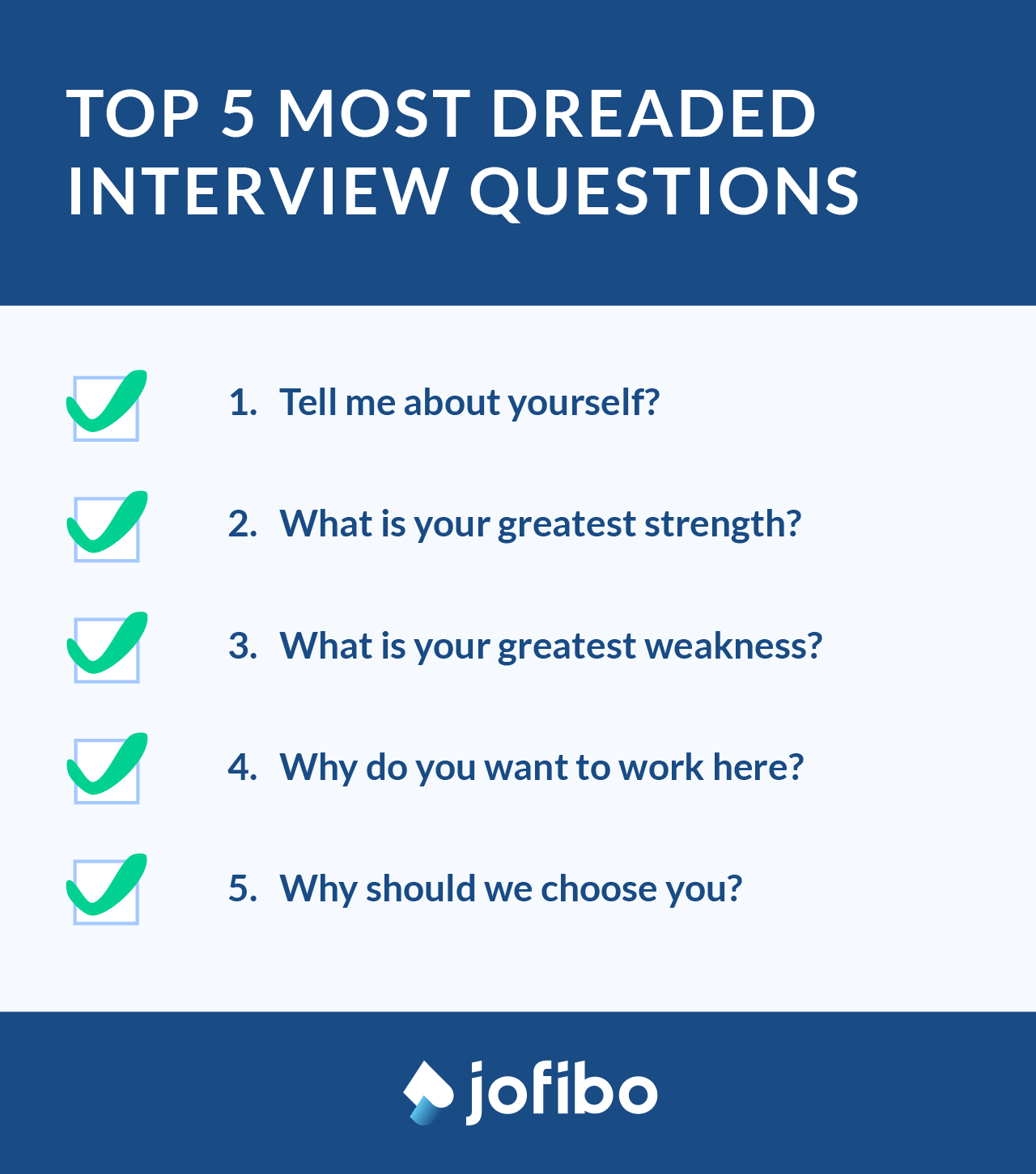
1. Prepare for Common Interview Questions
Before stepping into an interview, it’s important to anticipate the common questions that most interviewers will ask. Some of these include:
-
“Tell me about yourself.”
-
“Why do you want to work here?”
-
“What are your strengths and weaknesses?”
How to Answer:
For the “Tell me about yourself” question, focus on highlighting your professional background, skills, and how they align with the role you’re applying for. Avoid delving into personal details; keep it relevant to the job.
When answering “Why do you want to work here?”, focus on the company’s values, culture, and the opportunity to contribute to their success. Show that you’ve researched the company and are genuinely interested.
For “What are your strengths and weaknesses?”, be honest but strategic. Choose a strength that benefits the role and a weakness that you’re actively working on improving.
Learn More About Job Interview Preparation
2. Answering Behavioral Interview Questions
Behavioral questions are designed to assess how you’ve handled situations in the past and how you might approach similar scenarios in the future. These questions often start with phrases like “Tell me about a time when…” or “Give me an example of…”
How to Answer:
The STAR method is an effective way to answer these types of questions:
-
Situation: Briefly describe the context.
-
Task: Explain the task or challenge you faced.
-
Action: Describe the action you took to address the situation.
-
Result: Share the outcome of your actions.
This method helps structure your answer and provides clear evidence of your problem-solving abilities and achievements.
Example:
Q: “Tell me about a time when you handled a difficult project.”
-
Situation: “In my previous role, I was tasked with managing a project that had a tight deadline.”
-
Task: “The goal was to complete the project without sacrificing quality.”
-
Action: “I created a detailed project plan, prioritized tasks, and communicated regularly with the team to stay on track.”
-
Result: “We finished the project ahead of schedule, and it was praised for its quality.”
Explore More Behavioral Interview Tips
3. Handling Tricky Questions with Confidence
Some interview questions can catch you off guard, but with the right strategy, you can respond effectively.
“What is your greatest weakness?”
This question can be challenging, but it’s an opportunity to show self-awareness and a desire for growth. Instead of choosing a weakness that is essential to the job, choose something minor that you’re actively working to improve.
“Why did you leave your last job?”
Be honest, but avoid speaking negatively about past employers. Focus on the positive aspects of why you’re looking for new opportunities, such as seeking career growth or new challenges.
“Where do you see yourself in five years?”
This question helps interviewers understand your career goals. Show that you’re ambitious and eager to grow within the company, but also flexible enough to adapt to evolving roles.
Learn How to Tackle Tricky Interview Questions
4. The Importance of Asking Questions
At the end of most interviews, the interviewer will ask, “Do you have any questions for us?” This is an opportunity for you to demonstrate your interest in the role and the company.
Good Questions to Ask:
-
“What does success look like in this role?”
-
“How would you describe the company culture?”
-
“What are the next steps in the interview process?”
These questions not only show your interest in the job but also help you gather important information to assess if the role is a good fit for you.
Discover More on How to Engage During an Interview
5. How to Prepare for a Video Interview
With the rise of remote work, video interviews have become increasingly common. Preparing for a video interview requires slightly different considerations than in-person interviews.
Key Tips:
-
Test your equipment: Ensure your camera, microphone, and internet connection are working.
-
Choose a professional background: A clean, quiet environment is essential for making a good impression.
-
Dress appropriately: Dress professionally, just as you would for an in-person interview.
-
Maintain good posture: Sit up straight and look into the camera when speaking.
Non-verbal Communication:
In video interviews, non-verbal cues become even more important. Smile, maintain eye contact, and avoid distractions. Being mindful of your body language will help convey confidence.

Learn More About Video Interview Tips
6. The Follow-Up: How to Stand Out After an Interview
Once the interview is over, sending a follow-up email is an excellent way to reinforce your interest in the position. A well-written email can also make you stand out among other candidates.
What to Include in Your Follow-Up:
-
Express gratitude: Thank the interviewer for their time.
-
Reaffirm your interest: Mention why you’re excited about the role and how your skills align with the position.
-
Highlight a key point: Reference something specific from the interview that reinforces your fit for the role.
A simple, professional follow-up email can leave a lasting impression and increase your chances of success.
Explore More on the Importance of Interview Follow-ups
7. Common Mistakes to Avoid in an Interview
Avoiding common interview mistakes can help you present yourself in the best light possible. Here are some pitfalls to steer clear of:
-
Being unprepared: Not researching the company or understanding the role can make you seem disinterested.
-
Talking too much: Answering questions succinctly is key; rambling can make you appear unfocused.
-
Being negative: Avoid speaking ill of previous employers or colleagues; it reflects poorly on you.
-
Not asking questions: Failing to engage the interviewer with thoughtful questions can make you seem uninterested.
By being mindful of these mistakes, you’ll present yourself as a confident and prepared candidate.

Conclusion: Mastering the Art of Answering Interview Questions
Interviewing is a skill that can be honed with practice and preparation. By knowing how to answer common and tough interview questions, you can present yourself confidently to potential employers.
Remember, preparation is key. Practice your responses, research the company, and approach the interview with a positive mindset. With these strategies, you’ll be well-equipped to succeed in any interview.
Frequently Asked Questions
1. How should I prepare for an interview?
Preparation is crucial. Research the company, practice your answers to common questions, and prepare a few thoughtful questions to ask the interviewer.
2. What are some common interview questions?
Some of the most common questions include, “Tell me about yourself,” “What are your strengths and weaknesses?” and “Why should we hire you?”
3. How do I answer the “What is your greatest weakness?” question?
Choose a weakness that is not essential to the role, but show that you’re actively working on it. For example, you could mention that you’re improving your time management skills.
4. How long should my follow-up email be?
Keep your follow-up email concise, about 2-3 paragraphs. Express gratitude, reaffirm your interest in the role, and mention something specific from the interview.
For more tips on interview success, visit DUYTHIN.DIGITAL.