
Top Jobs in Hospitality: Exploring Exciting Career Paths
The hospitality industry is a dynamic and rewarding field that offers diverse career opportunities. Whether you’re passionate about customer service, event planning, or hotel management, there are plenty of options to explore. This article dives into some of the top jobs in hospitality, their responsibilities, required skills, and potential career paths.
Why Choose a Career in Hospitality?
A career in hospitality offers numerous benefits, including the chance to work in vibrant environments, interact with diverse groups of people, and travel the world. The industry is known for offering opportunities for quick career advancement, especially for those who are passionate and hardworking.
One of the major advantages of working in hospitality is the variety of roles available. From restaurants and hotels to event management and tourism, there’s a job for nearly every skill set and interest.
Top Jobs in Hospitality
The hospitality industry spans various sectors, each offering unique roles and career paths. Below are some of the best jobs to consider within this thriving industry.
1. Hotel Manager
As a hotel manager, you’ll oversee the daily operations of a hotel, ensuring that guests have a seamless and memorable experience. Responsibilities include managing staff, overseeing housekeeping, handling guest inquiries, and maintaining the hotel’s budget.
Key Skills Required:
-
Leadership and management
-
Budgeting and financial management
-
Problem-solving and customer service
Pros:
-
High earning potential
-
Opportunities for advancement in large hotel chains
Cons:
-
Long hours, including nights and weekends
-
High-pressure environment
2. Event Planner
Event planners are responsible for organizing and executing events such as conferences, weddings, and corporate gatherings. This role requires strong organizational skills, creativity, and attention to detail.
Key Skills Required:
-
Time management and organization
-
Negotiation skills
-
Creativity and problem-solving
Pros:
-
Creative and dynamic work
-
Potential to work in various sectors, from corporate to entertainment
Cons:
-
Often requires working on weekends or holidays
-
Can be stressful, especially close to event dates
3. Concierge
A concierge helps hotel guests with a wide range of services, from booking transportation and restaurant reservations to providing local information and arranging personalized experiences. This role requires a friendly, approachable demeanor and an extensive knowledge of the local area.
Key Skills Required:
-
Strong communication and interpersonal skills
-
Knowledge of local attractions and services
-
Problem-solving abilities
Pros:
-
Opportunity to create memorable guest experiences
-
Variety of tasks each day
Cons:
-
Often requires working late hours or weekends
-
Dealing with demanding guests can be challenging
4. Restaurant Manager
As a restaurant manager, you’ll be responsible for overseeing daily operations, ensuring customer satisfaction, managing staff, and maintaining inventory. This role requires strong leadership skills and a solid understanding of the food and beverage industry.
Key Skills Required:
-
Leadership and team management
-
Knowledge of food and beverage operations
-
Customer service skills
Pros:
-
Fast-paced and exciting work environment
-
Potential to move up in the industry quickly
Cons:
-
Long hours, including nights and weekends
-
Managing challenging customers can be stressful
5. Travel Consultant
Travel consultants help customers plan their trips, from booking flights and hotels to recommending activities and creating itineraries. This role allows you to combine a love for travel with customer service and sales skills.
Key Skills Required:
-
Knowledge of travel destinations
-
Sales and customer service skills
-
Attention to detail and organizational abilities
Pros:
-
Opportunity to travel and explore different destinations
-
Growing demand in the travel sector
Cons:
-
Work can be seasonal, depending on travel trends
-
Dealing with last-minute changes can be stressful
6. Housekeeping Supervisor
Housekeeping supervisors are responsible for managing the cleaning and maintenance of hotel rooms, ensuring they meet the highest standards of cleanliness and guest satisfaction. This role is crucial in the hospitality industry, as cleanliness plays a significant role in customer satisfaction.
Key Skills Required:
-
Organizational skills
-
Attention to detail
-
Leadership and team management
Pros:
-
Structured work environment
-
Opportunities for advancement
Cons:
-
Physically demanding work
-
Requires constant oversight and quality control
7. Tour Guide
For those who love to share knowledge and interact with people, becoming a tour guide can be an incredibly rewarding career. Tour guides lead visitors through landmarks, museums, and historical sites, providing insights into local history and culture.
Key Skills Required:
-
In-depth knowledge of history and culture
-
Strong communication skills
-
Enthusiasm and public speaking
Pros:
-
Opportunities to work in diverse locations
-
Enjoyable and rewarding job
Cons:
-
Seasonal work depending on location
-
Requires dealing with large groups of people
8. Spa Manager
Spa managers oversee the day-to-day operations of a spa, ensuring that services such as massages, facials, and wellness treatments are provided efficiently and professionally. This role requires both managerial and customer service skills.
Key Skills Required:
-
Knowledge of wellness and spa treatments
-
Customer service and management skills
-
Attention to detail
Pros:
-
The opportunity to work in a relaxing, health-focused environment
-
High demand in luxury hotels and resorts
Cons:
-
High responsibility for customer satisfaction
-
Long hours during peak seasons

How to Pursue a Career in Hospitality
Starting a career in hospitality requires a combination of education, skills, and experience. Here’s how you can begin your journey:
-
Get the Right Education: Many hospitality careers require formal education, such as a degree in hotel management or tourism. Consider pursuing a degree or certification in hospitality or a related field.
-
Gain Practical Experience: Internships and entry-level jobs, such as receptionist, server, or bellhop, can provide hands-on experience and help you build essential skills.
-
Build Your Network: Networking is crucial in the hospitality industry. Attend industry events, join professional organizations, and use platforms like LinkedIn to connect with others in the field.
-
Develop Key Skills: Strong communication, leadership, and customer service skills are essential for most roles in hospitality. Focus on improving these abilities throughout your career.
Frequently Asked Questions (FAQs)
What are the most important skills for working in hospitality?
Key skills include strong customer service, communication, problem-solving, and leadership. Depending on the role, technical skills such as food safety knowledge or event planning may also be important.
How can I advance in the hospitality industry?
Advancement often comes through gaining experience, networking, and continuing your education. Many hospitality professionals start in entry-level roles and move up through promotions or specialized training.
What is the salary for hospitality jobs?
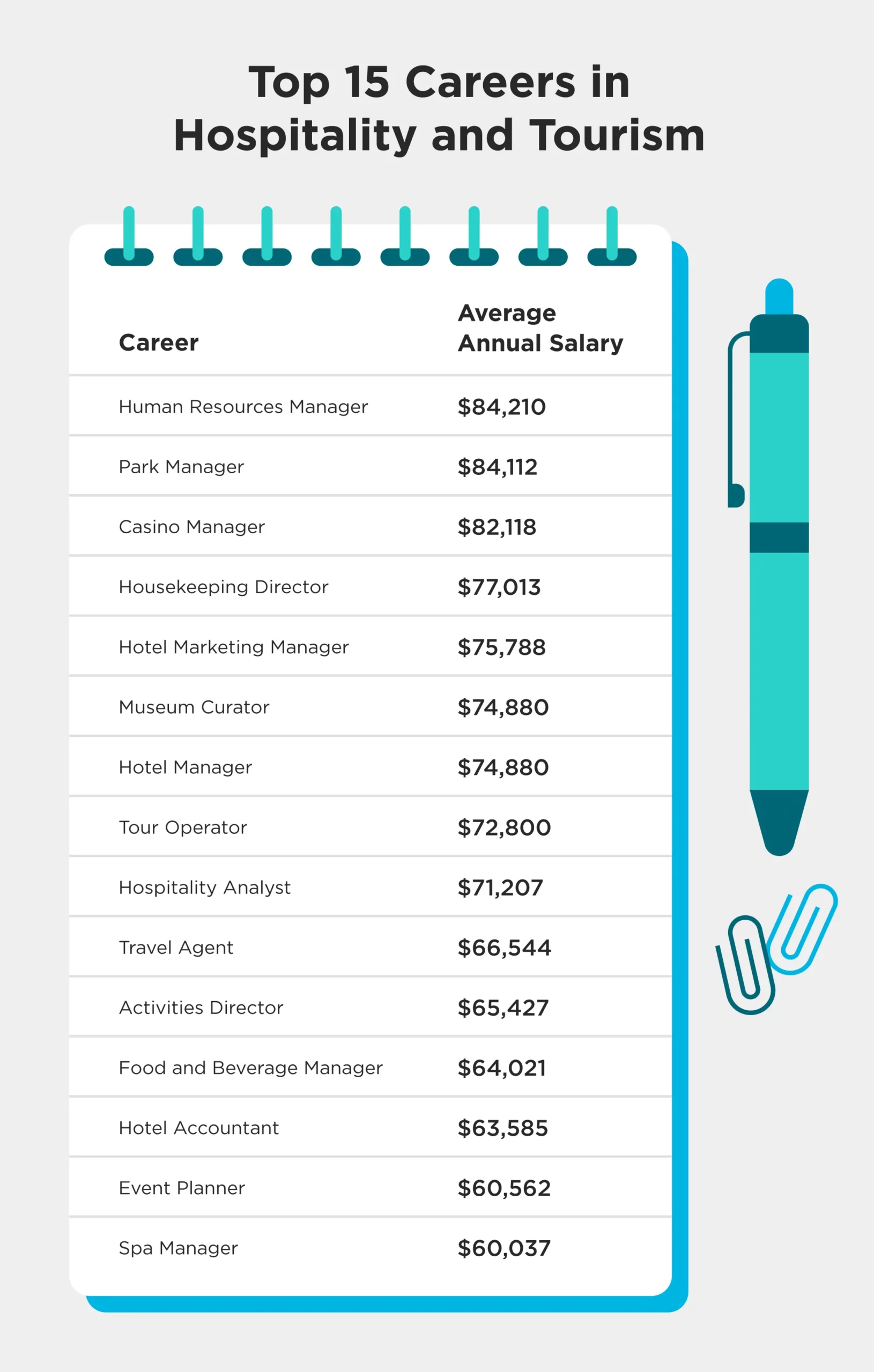
Salaries in hospitality vary depending on the role and location. For example, hotel managers can earn $50,000 to $100,000 annually, while entry-level positions like servers or housekeeping staff typically earn hourly wages.
Is hospitality a good career choice?
Yes! The hospitality industry is thriving globally, offering a wide range of opportunities. It’s especially ideal for people who enjoy interacting with others, working in fast-paced environments, and seeking career growth.
Conclusion
The hospitality industry is diverse, offering exciting career paths for individuals with various skills and interests. From hotel management to event planning and travel consulting, there are numerous opportunities to explore. The key to success in this field is a passion for service, a commitment to learning, and the ability to adapt to a dynamic work environment.
If you’re interested in a career in hospitality, start by gaining experience, building your network, and improving your skills. Remember, success in hospitality requires not only hard work but also a genuine love for people and their needs.
For more information on automating your career or learning about job opportunities, check out DUYTHIN.DIGITAL, a platform offering powerful tools to help you streamline your job search and application process.