
How to Write a Cover Letter: A Step-by-Step Guide for Success
Writing a cover letter is an essential part of the job application process. It’s your opportunity to introduce yourself, highlight your qualifications, and show why you’re the perfect fit for the job. A well-crafted cover letter can make you stand out from other candidates and increase your chances of landing an interview. In this guide, we’ll walk you through the process of writing a compelling cover letter that showcases your skills and experience.
1. Understand the Purpose of a Cover Letter
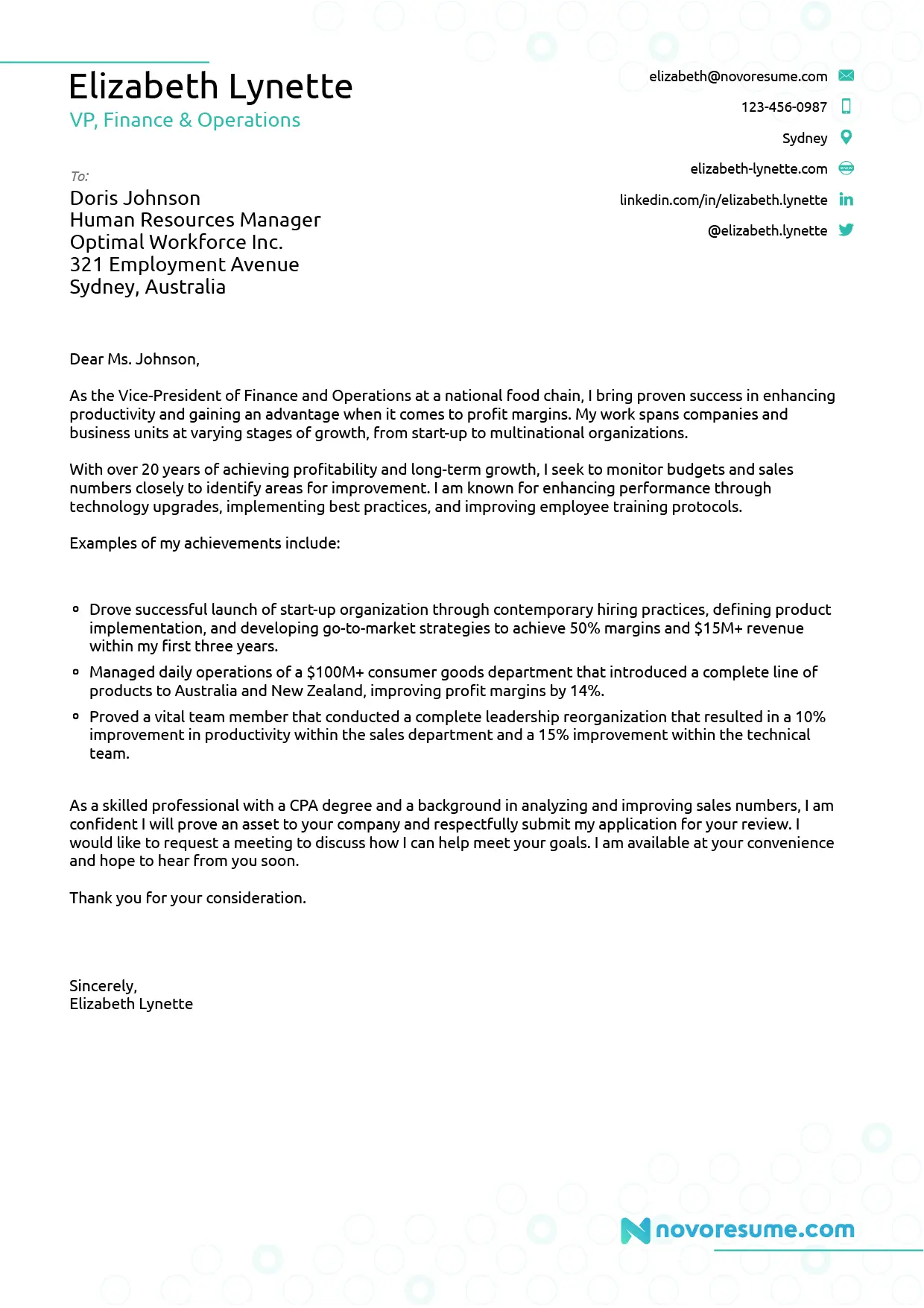
Before diving into writing your cover letter, it’s essential to understand its purpose. A cover letter should complement your resume, not repeat it. It’s your chance to personalize your application and explain why you’re the best fit for the role.
Why is a Cover Letter Important?
A cover letter provides insight into your personality, communication skills, and enthusiasm for the job. It helps the employer see why you’re interested in their company and how you can contribute to its success.
Your cover letter should:
-
Introduce yourself and explain why you’re applying.
-
Highlight relevant skills and experiences that make you a strong candidate.
-
Show your enthusiasm for the role and company.
2. Structure of a Cover Letter
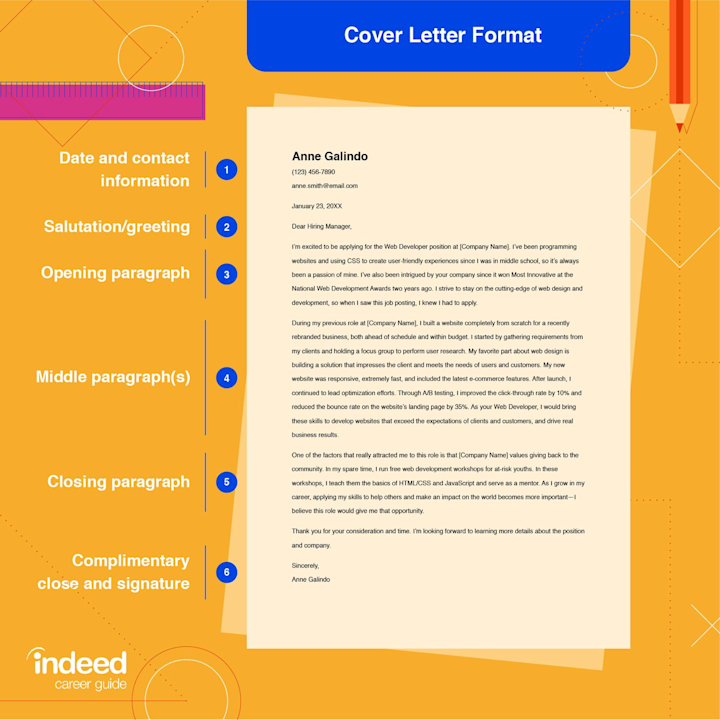
The structure of your cover letter should be clean and easy to read. Typically, it consists of three main sections: the introduction, body, and conclusion. Let’s break down each part.
Introduction: Grab the Employer’s Attention
The opening paragraph is your chance to make a great first impression. Start by addressing the hiring manager by name, if possible. Introduce yourself and mention the position you’re applying for.
-
Personalize the greeting by using the hiring manager’s name.
-
State the role you’re applying for and where you found the job listing.
-
Express your enthusiasm for the company and the role.
Here’s an example:
“Dear [Hiring Manager’s Name],
I am writing to express my interest in the [Job Title] position at [Company Name], which I found on [Job Board]. With my [specific skills] and [X years of experience], I am confident that I can contribute to your team’s success.”
Body: Showcase Your Qualifications
The body of the cover letter is where you can go into detail about why you’re the right candidate for the job. Break this section into two to three short paragraphs.
-
Discuss your relevant experience: Highlight your achievements and experiences that are directly related to the job.
-
Use specific examples: Instead of general statements, provide concrete examples of your work.
-
Match your skills with the job description: Show how your skills and experience align with the position.
For instance, if you’re applying for a marketing role, mention a project where you successfully executed a campaign that resulted in significant ROI.
“In my previous role at [Previous Company], I led a team of five in creating a marketing campaign that increased engagement by 30%. My expertise in SEO and content strategy, combined with my ability to analyze market trends, allows me to create targeted and effective campaigns.”
Conclusion: End on a Positive Note
In the closing paragraph, express your desire for an interview. Keep it short, polite, and to the point.
-
Reaffirm your interest in the position.
-
Thank the employer for considering your application.
-
Include a call to action, such as stating you look forward to discussing your qualifications further.
“I am excited about the opportunity to contribute to your team at [Company Name] and would welcome the chance to discuss how my skills align with your needs. Thank you for considering my application. I look forward to hearing from you soon.”
3. Tips for Writing a Winning Cover Letter
Now that you know the structure, here are a few key tips to ensure your cover letter stands out:
-
Keep it concise: Aim for one page, focusing on the most relevant points.
-
Tailor it to the job: Avoid using a generic cover letter. Make sure it aligns with the job description and company values.
-
Highlight your skills: Focus on the skills and experiences that make you a strong fit for the role.
-
Use a professional tone: Be polite, confident, and professional in your language.
-
Proofread your letter: Avoid errors by proofreading your letter carefully. A mistake-free letter reflects professionalism.
Example Cover Letter for a Marketing Position
Dear [Hiring Manager’s Name],
I am writing to apply for the Marketing Specialist position at [Company Name], as advertised on your website. With over five years of experience in digital marketing, I have honed my skills in SEO, content creation, and social media strategy, all of which align with the needs of your marketing team.
In my previous role at [Previous Company], I successfully increased organic traffic by 40% through a targeted SEO strategy. My expertise in creating engaging content and analyzing data allowed me to consistently exceed campaign goals, and I am confident I can do the same for your team.
I would love the opportunity to contribute to your company’s growth and success. Thank you for considering my application, and I look forward to discussing how my skills can help [Company Name] achieve its goals.
Sincerely,
[Your Name]
4. Common Mistakes to Avoid in Your Cover Letter
To write a truly standout cover letter, it’s important to avoid common pitfalls that can hurt your chances.
1. Using a Generic Template
Don’t use the same template for every application. Personalizing your cover letter is essential to making a great impression.
2. Repeating Your Resume
Your cover letter should complement your resume, not repeat it. Focus on your passion and how you align with the company’s mission.
3. Making Spelling and Grammar Mistakes
Spelling errors and bad grammar can ruin an otherwise strong cover letter. Always proofread before submitting.
4. Being Too Long or Too Short
A cover letter should be concise. Avoid long paragraphs or rambling. Stick to the most relevant information and keep it to one page.
5. Formatting Your Cover Letter
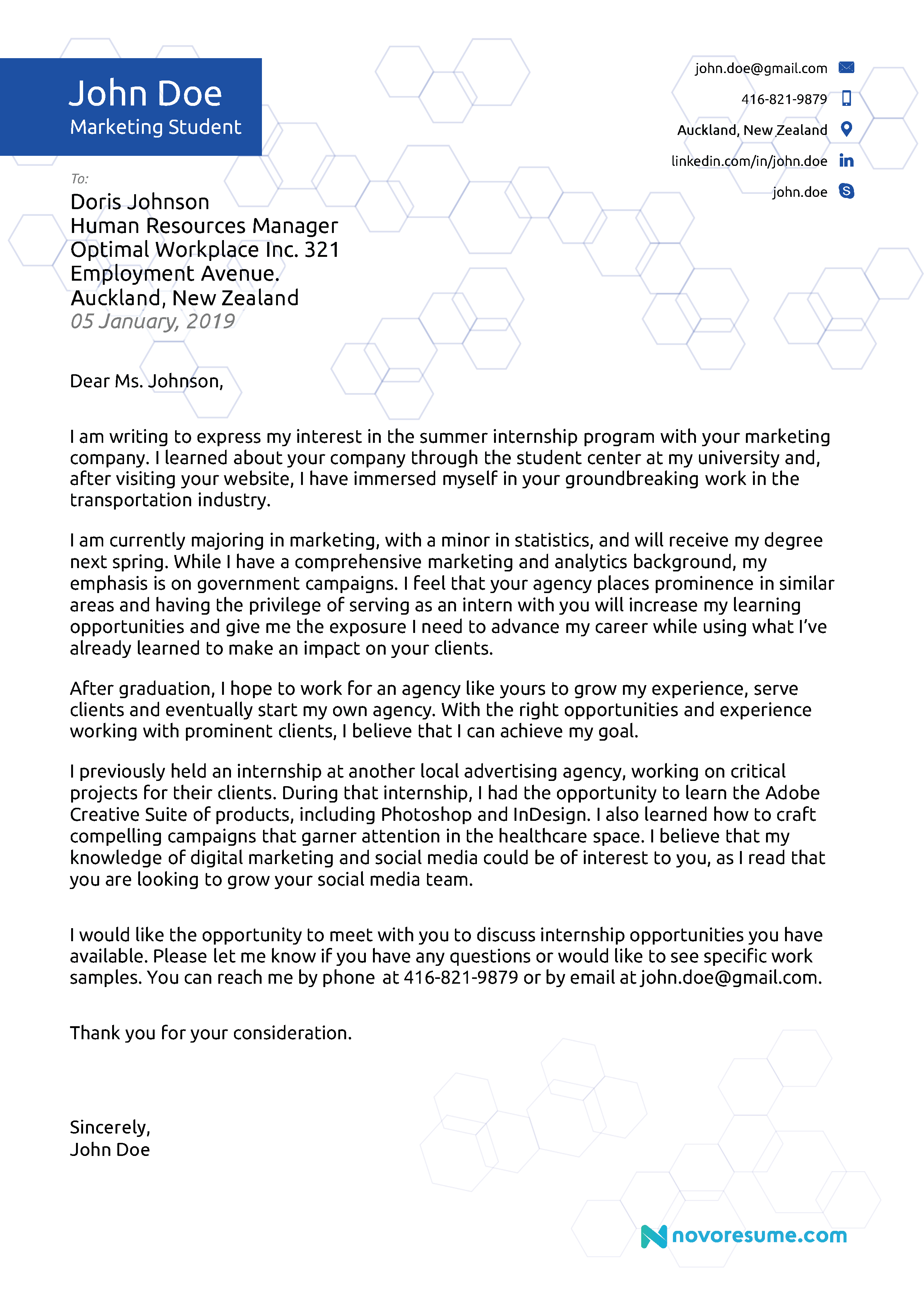
Proper formatting can make your cover letter look more professional and easy to read. Here’s how to format it:
-
Font: Use a professional font like Arial, Calibri, or Times New Roman. The font size should be 10-12 points.
-
Margins: Set margins to 1 inch on all sides.
-
Spacing: Use single spacing with a space between paragraphs.
-
Alignment: Align the text to the left.
By following these basic formatting tips, your cover letter will look polished and professional.
6. FAQs About Writing a Cover Letter
1. Do I need a cover letter if the job doesn’t ask for one?
While it’s not always required, sending a cover letter can show your interest in the position and make your application stand out.
2. How long should a cover letter be?
A cover letter should be one page, typically with 3-4 short paragraphs. Focus on quality over quantity.
3. Should I mention salary expectations in my cover letter?
It’s usually best to leave salary expectations for the interview. Focus your cover letter on showcasing your skills and enthusiasm for the job.
4. How do I address a cover letter if I don’t know the hiring manager’s name?
If you don’t know the hiring manager’s name, you can use a general greeting like “Dear Hiring Manager” or “To Whom It May Concern”.
Conclusion
Writing a cover letter is your opportunity to showcase your qualifications and personality to potential employers. By following the steps outlined in this guide, you can craft a cover letter that highlights your strengths, matches the job description, and grabs the hiring manager’s attention. Take the time to tailor each cover letter to the specific role you’re applying for, and you’ll be one step closer to landing your dream job!
For more tips on writing a professional cover letter, feel free to explore other resources on DUYTHIN.DIGITAL. Good luck!