How to Prepare for an Interview: A Complete Guide
Preparing for an interview is a crucial step in landing your dream job. Whether you are a seasoned professional or a fresh graduate, knowing how to present yourself and your skills can significantly increase your chances of success. In this article, we will guide you through the essential steps to prepare for an interview effectively. With experience in interviewing and career development, I will share proven strategies that will make you stand out.
1. Research the Company
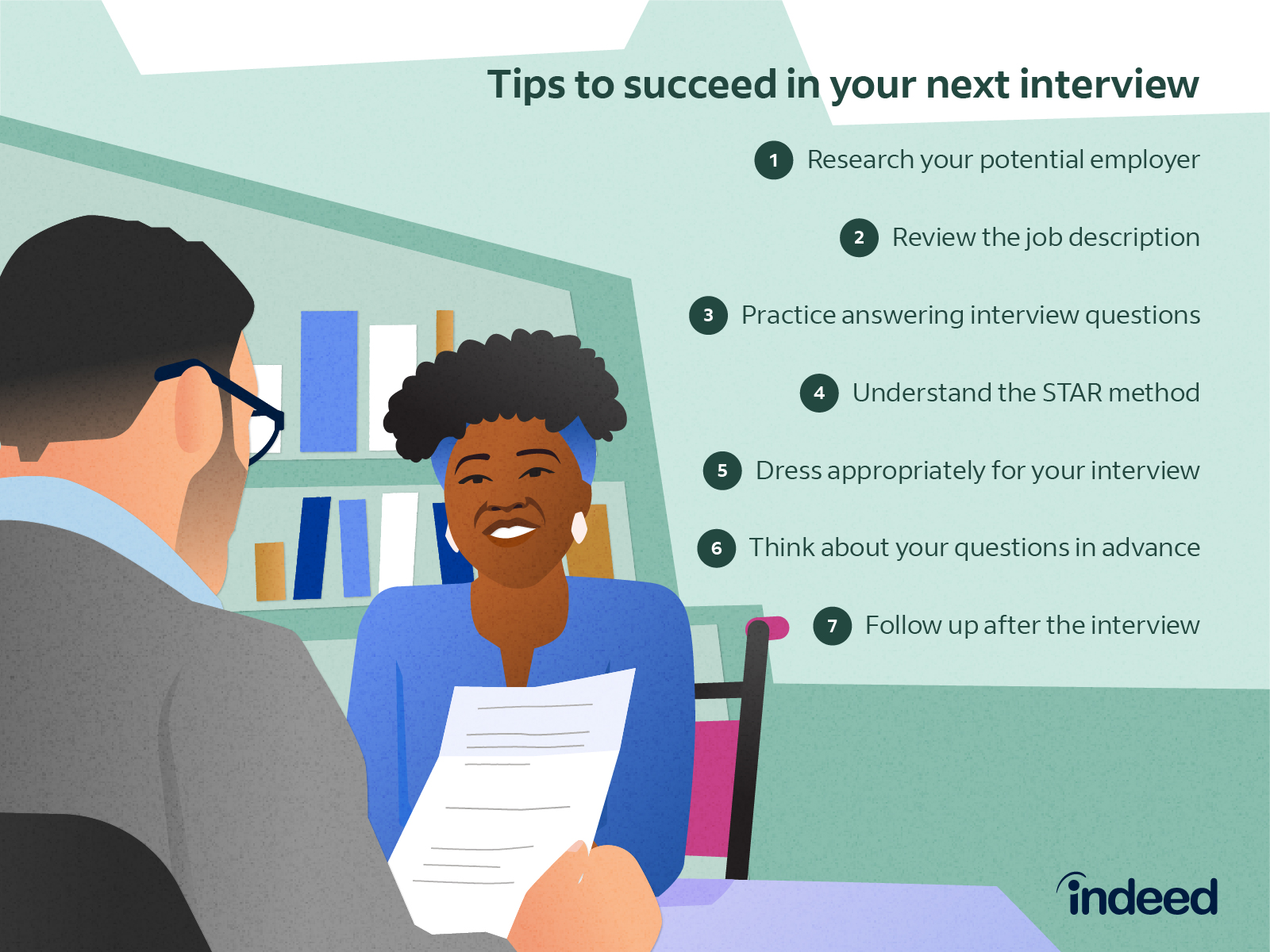
Before stepping into an interview, it’s crucial to have a deep understanding of the company. Knowing their mission, vision, and values will not only help you tailor your responses but will also demonstrate your interest in the organization.
Why Research?
-
Understand the company’s culture: This helps you decide if it’s the right fit for you.
-
Prepare relevant questions: You can ask insightful questions that show you’ve done your homework.
To research a company effectively, visit their official website, read news articles, and check out their social media platforms to see their latest updates. If possible, try to find out what employees say about working there.
2. Understand the Job Role
It’s vital to have a clear understanding of the role you are applying for. Carefully read the job description and make a list of the required skills and qualifications. Matching your skills with the job description is key to crafting your responses.
Tips for Understanding the Role:
-
Make a list of key responsibilities: Focus on areas where your experience aligns with the job requirements.
-
Identify key skills: Highlight your skills that match the job description.
-
Prepare examples: Think of situations where you’ve demonstrated those skills successfully.
3. Practice Common Interview Questions
Being prepared for the most common interview questions is an excellent strategy. It helps you stay calm and confident, ensuring that you can respond effectively when asked. Here are some examples of commonly asked questions:
-
Tell me about yourself?
-
Why do you want to work here?
-
What are your strengths and weaknesses?
-
Where do you see yourself in five years?
Practicing answers to these questions will help you sound natural during the interview. But don’t just memorize your answers—be ready to improvise and adjust based on the conversation.
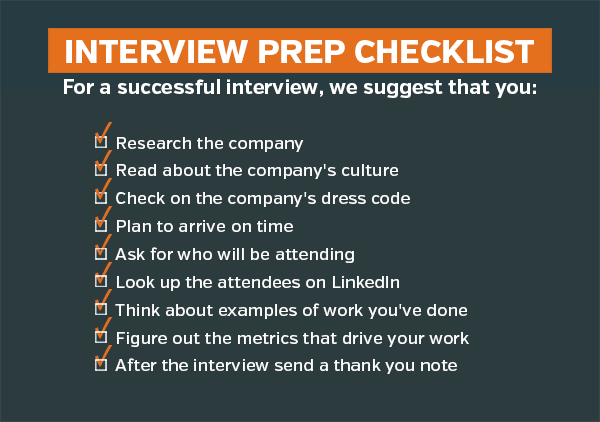
4. Dress for Success
Your appearance matters during an interview. Dress according to the company culture. While corporate settings may require formal attire, casual workplaces might allow for more relaxed dress codes. However, always aim to look polished and well-groomed.
How to Dress:
-
Research the company’s dress code: Choose clothing that fits within the company culture.
-
Keep it simple and professional: Avoid overly bright colors or flashy accessories.
-
Comfort is key: Make sure you’re comfortable in your outfit to avoid distractions during the interview.
5. Prepare Your Resume and Portfolio
Ensure your resume is up-to-date and customized to the job you’re applying for. If you have a portfolio, bring it with you to showcase your work, especially if the job requires examples of your previous projects.
Resume Tips:
-
Highlight relevant skills: Tailor your resume to the job description.
-
Use action verbs: Words like “led,” “created,” and “improved” make your experience sound dynamic.
-
Keep it concise: Focus on the most relevant information and make your resume easy to read.
Include a Portfolio (if applicable)
If your job involves work that can be showcased, like graphic design, writing, or web development, be sure to bring a portfolio to the interview. This gives you an edge by providing tangible evidence of your skills.
6. Prepare for Behavioral Questions
Behavioral interview questions are designed to assess how you handle various situations in the workplace. These questions are based on the premise that past behavior is the best predictor of future behavior. A common framework to answer these questions is the STAR method:
-
Situation: Describe the context or challenge.
-
Task: Explain your role in the situation.
-
Action: Outline the steps you took.
-
Result: Share the outcome or what you learned.
By practicing with the STAR method, you can effectively highlight your problem-solving skills and ability to adapt.

7. Prepare Questions for the Interviewer
Interviews are a two-way street. While you’re being evaluated, it’s also your chance to learn more about the company. Asking insightful questions shows your interest in the role and the organization. Here are some examples:
-
What’s the team culture like?
-
What are the biggest challenges the team is currently facing?
-
How does the company measure success in this role?
Make sure your questions are thoughtful and tailored to the role.
8. The Importance of Body Language
Your body language speaks volumes during an interview. Good posture, maintaining eye contact, and smiling can help convey confidence and professionalism.
Body Language Tips:
-
Smile and make eye contact: This shows you’re engaged and approachable.
-
Sit up straight: It conveys attentiveness and respect.
-
Avoid fidgeting: Keep your hands in your lap or on the table.
Positive body language can leave a lasting impression and support your verbal responses.
9. Get Ready for Virtual Interviews
With many companies shifting to remote work, virtual interviews are becoming more common. Prepare your technology by testing your internet connection, camera, and microphone ahead of time.
Tips for Virtual Interviews:
-
Choose a quiet, well-lit space: Ensure there are no distractions or background noise.
-
Dress appropriately: Even if it’s a virtual interview, dress as you would for an in-person meeting.
-
Maintain eye contact: Look at the camera, not the screen, to simulate direct eye contact.
10. The Day Before the Interview
The day before the interview is all about final preparation. Double-check the interview details, such as the time, location, and format. Organize your clothes, pack your portfolio, and ensure your resume is ready.
-
Get a good night’s sleep: Rest is essential for staying sharp during the interview.
-
Prepare your transportation: Plan your route and arrive early.
-
Stay positive: Take a moment to visualize a successful interview.
Conclusion
Proper preparation is the key to acing your interview. By following these steps, you will increase your chances of impressing the hiring manager and securing the role. Remember to research the company, dress appropriately, and practice common interview questions. Stay confident, stay calm, and show the interviewer why you’re the perfect fit for the job.
FAQs
Q1: How long should I spend preparing for an interview?
-
It’s best to spend at least 1-2 hours preparing the day before the interview. However, continuous preparation over several days is even better.
Q2: What should I bring to an interview?
-
Bring several copies of your resume, a portfolio (if applicable), a notebook and pen, and any other relevant documents.
Q3: How do I follow up after the interview?
-
Send a thank-you email expressing your appreciation for the opportunity and reiterating your interest in the role.
By following these steps and practicing your responses, you’ll be well on your way to mastering your next interview.